





How to Make Natural Soy Candles at Home? A Practical Guide
Making soy candles at home can be a slow, creative and enjoyable craft. With soy wax, a suitable wick, a heat-resistant container and a carefully chosen fragrance, you can create a candle for your room, coffee corner, bathroom, bedside table or gift set. However, candle making is not only about melting wax and pouring it into a jar. Heat control, wick choice, container safety, fragrance amount and curing time all affect the final result.
A homemade soy candle should be prepared with care because hot wax, fragrance oils and open flames require attention. If you are making candles for personal use, start with small quantities, work on a stable surface and follow safety instructions carefully. If you plan to sell candles, professional testing, correct labeling and product safety evaluation are essential.
What Do You Need to Make Soy Candles?
The basic materials for making soy candles at home are soy wax, candle wicks, heat-resistant containers, fragrance oil or essential oil, a melting pot, a thermometer, a stirring tool and wick holders. Each material affects the candle’s burn quality, scent performance and safety.
The container should be suitable for candle use and should resist heat. The wick should match the container diameter and wax type. The fragrance should be compatible with candle making. Random containers, unsuitable wicks or excessive fragrance can lead to poor burning, smoke, tunneling or unsafe use.
| Material | Why It Matters |
| Soy wax | Creates the plant-based candle body and affects texture, burn and scent release. |
| Candle wick | Controls flame size, wax pool and burn performance. |
| Heat-resistant container | Keeps the candle stable and safe during burning. |
| Fragrance | Gives the candle its scent character and home atmosphere effect. |
| Thermometer | Helps control wax temperature during melting, fragrance mixing and pouring. |
Choose the Right Soy Wax
Soy wax is usually sold in flakes, pellets or blocks. For beginners, container candle soy wax is generally easier to work with because it is designed to be poured into jars, ceramic vessels or other candle containers. The wax should be chosen according to the type of candle you want to make.
If you want a smooth container candle, choose a wax suitable for container use. If you want pillar candles or shaped candles, a different wax blend may be needed. Not every soy wax behaves the same, so supplier instructions should be read before melting, adding fragrance or pouring.
Select a Suitable Wick
The wick is one of the most important parts of a soy candle. If the wick is too small, the candle may tunnel and melt only around the center. If the wick is too large, the flame may become too strong, the candle may smoke or the container may become too hot.
Wick size should be selected according to the container diameter, wax type and fragrance load. Cotton wicks and wooden wicks can create different burn experiences. For beginners, using a wick guide from the wax or wick supplier is safer than guessing.
Choose a Heat-Resistant Container
A candle container should be suitable for heat and candle use. Thick glass jars, candle-safe ceramic vessels or containers specifically produced for candles are safer choices. Thin glasses, cracked containers, ordinary drinking glasses or decorative objects not designed for heat may be risky.
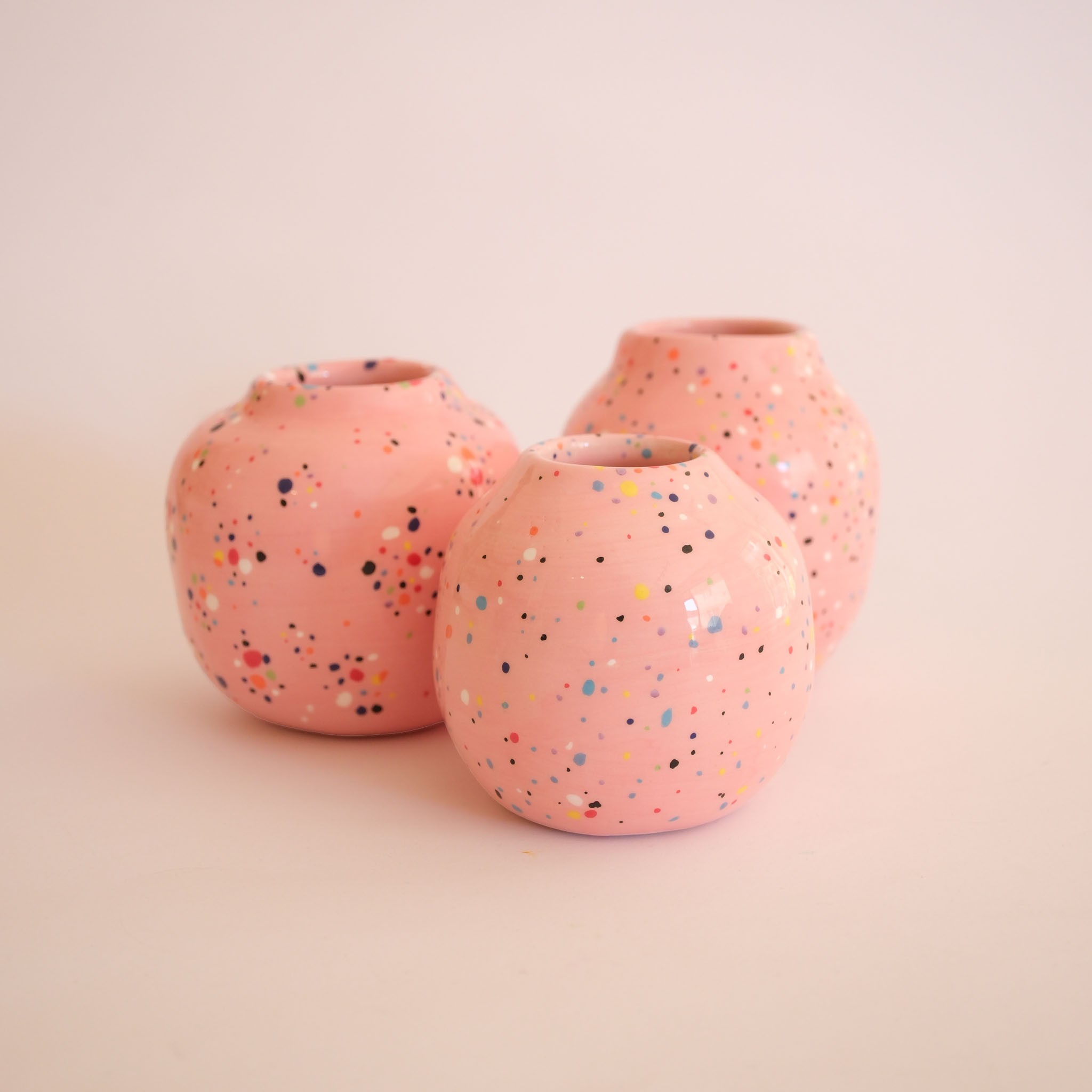
The container should be clean, dry and stable before pouring wax. If you use a ceramic or handmade container, check that it is suitable for candle making and heat exposure. The container is not only decorative; it is part of the candle’s safety structure.
Fragrance Oil or Essential Oil?
For scented soy candles, fragrance oils made for candle making are usually more predictable. They are designed to mix with wax and perform during burning. Essential oils may feel more natural, but not every essential oil is suitable for candle use. Some may have weak scent performance, poor stability or safety limitations when heated.
If you want to make a scented candle, use fragrance materials that clearly state candle suitability. The amount should also follow the wax supplier’s recommended fragrance load. Adding too much fragrance does not automatically make a better candle; it can affect burning, surface texture and safety.
How to Make a Soy Candle Step by Step
First, prepare your working area. Cover the surface, keep paper and textiles away from the heat source and make sure all materials are ready. Place the wick in the center of the container and secure it with a wick sticker or suitable adhesive. Use a wick holder to keep the wick centered during pouring.
Next, melt the soy wax slowly using a safe indirect heating method such as a double boiler. Do not leave melting wax unattended. Once the wax has melted, allow it to reach the correct temperature range recommended by the wax supplier before adding fragrance. Stir gently and avoid creating air bubbles.
After mixing the fragrance, pour the wax slowly into the prepared container. Keep the wick centered. Let the candle cool in a stable place without moving it. Sudden temperature changes, drafts or moving the container too early can affect the surface appearance.
Why Is Curing Time Important?
After the candle has cooled and hardened, it should rest before use. This resting period is often called curing. During this time, the wax and fragrance settle together. A candle that is burned too soon may not give the best scent performance or surface result.
Curing time can vary depending on wax, fragrance and candle size. Supplier instructions should be followed. Waiting patiently can improve the overall candle experience, especially for scented soy candles.
Common Mistakes in Homemade Soy Candles
One common mistake is choosing the wrong wick size. Another is pouring wax into containers that are not suitable for candle use. Adding too much fragrance, overheating the wax, not centering the wick and burning the candle too early can also affect the result.
A homemade candle should be tested before regular use. Watch the flame, wax pool, container heat and scent performance. If the flame is too high, if the container becomes too hot, if the wick smokes heavily or if the candle behaves unpredictably, the candle should not be used.
Safe Use After Making the Candle
After making the candle, use it safely. Place it on a stable, heat-resistant surface and keep it away from curtains, papers, books, plants and textiles. Never leave a burning candle unattended. Keep it away from children and pets.
Before each burn, trim the wick if needed and remove loose wick pieces from the wax surface. During the first burn, allow the wax pool to reach close to the edges of the container to reduce tunneling. Stop using the candle when only a small amount of wax remains at the bottom, according to product safety guidance.
A Handmade Candle Ritual at Home
Making a soy candle at home can be a creative ritual when done carefully. Choosing the scent, preparing the container, centering the wick and waiting for the candle to cure all make the process more personal. The result is not only a candle, but a handmade object that carries time and attention.
For the best experience, start small, use proper materials, follow supplier instructions and prioritize safety. A natural soy candle can bring warmth, scent and handmade character to the home when it is made and used with care.

